Table of Contents
Throughout this phase in mourning, the discomfort of the loss starts to establish in. Or you could try to "strike a deal" with a higher power, asking that the loss be taken away in exchange for something on your part.
It remains in this phase in regreting that you start to really realize the fact of your loss. You begin to adapt to your new life, and the intensity of the pain you really feel from the loss starts to minimize. At this point in the mourning process, you might discover that you really feel calmer.
You begin to rebuild your new normal, working with any type of issues developed by the loss. It's not that all your various other feelings are gone, just extra so that you have actually approved them and are prepared to relocate on.
This is not always true and can really be a barrier to their healing. Offer area for individuals to grieve. This allows the individual understand we're offered when they're all set. We can welcome them to talk with us yet keep in mind to give understanding and validation if they are not prepared just yet.
Practical Approaches for Beginning Your Therapeutic Process with IFS in San Francisco
Discover out which option is the finest for you. Several organizations give info or help for individuals going with the mourning process., help for people who have actually shed a kid It is crucial to remember that everybody deals with loss in a different way.
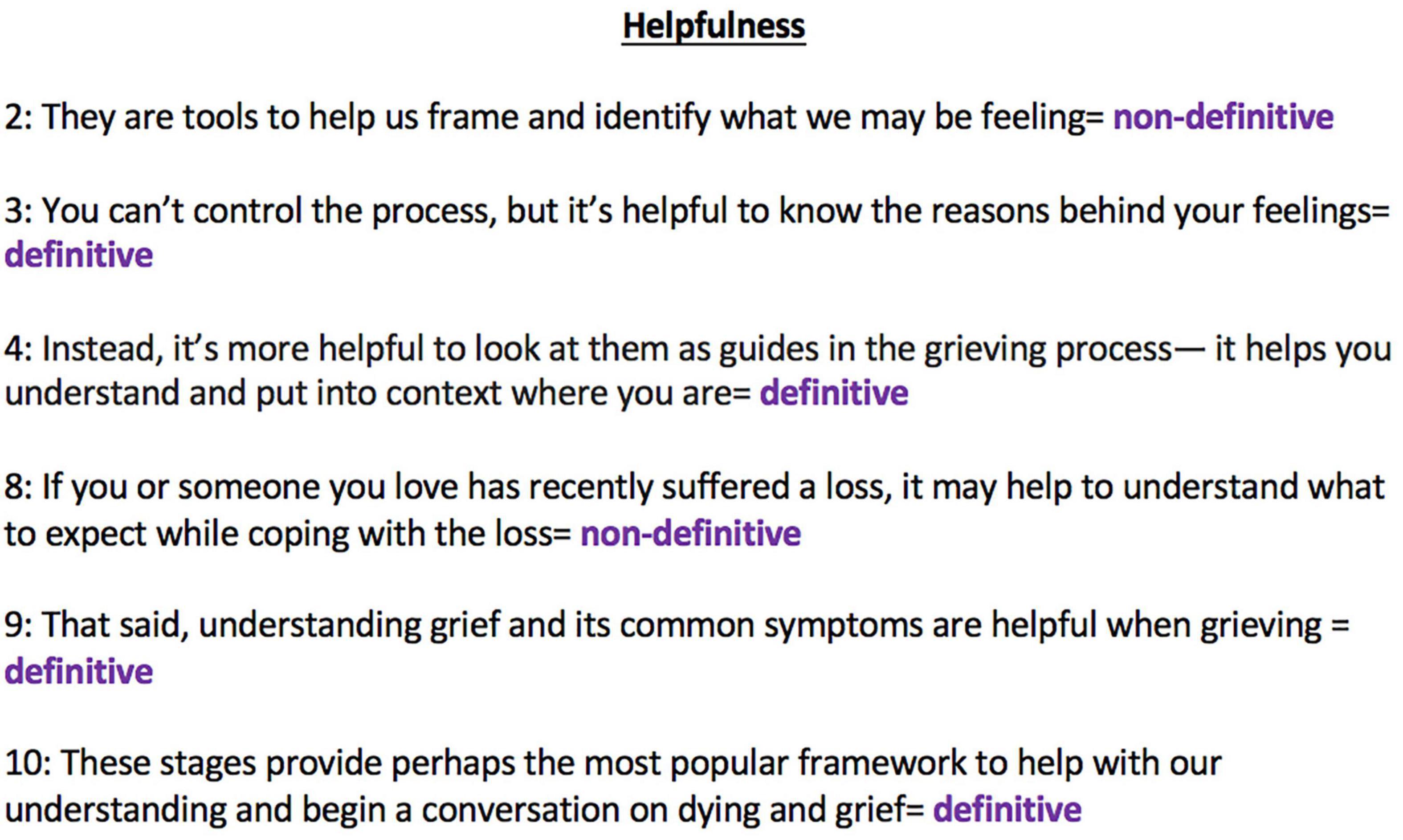
Although the majority of people will experience despair at some point in their lives, most are unprepared. We have actually most likely heard of the 5 stages of pain: deinal, anger, anxiety, and approval. For lots of, understanding them is one more story. Essentially, humans look for meaning and function. We desire to make definition from our experiences, and loss is a huge experience.
For lots of, the large experience of loss, and the magnitude of emotion that comes with it, feels like uncharted area. This is where the well-known 5 stages of despair framework came from.
Elisabeth Kbler-Ross, who collaborated with clients facing incurable illness. The structure she defined was specifically about these people that were regreting their own deaths. She initially released her findings in 1969 in her publication entitled, On Death and Perishing. In this publication, she explains what she saw the five stages of sorrow as: denial, rage, bargaining, depression, and approval.
Healthy Boundaries for Medical Professionals After Burnout Recovery in Your Practice
Kbler herself also broadened her model to consist of these in one more book, co-authored with fatality and grieving skilled David Kessler. The principle of the phases of grief has been widely disputed and increased because Dr. Kbler-Ross died in 2004. For example, Kessler has actually recommended "definition" as the 6th stage of despair.
The initial stage of grief is the denial stage. It's when regreting or bereaved individuals can not or choose not to admit the loss that has occurred. Anybody that is experiencing a huge adjustment, like a separation, or a major loss, like the fatality of a member of the family, needs time to take in the information.
The anxiety phase happens when you reduce down and totally face your despair. Clinical depression is one stage of despair that can be quite excruciating.

That does not indicate it's a happy ending or a surface line though grief changes you and it transforms your life. Acceptance implies concerning terms with those modifications and realizing that you have started to have more excellent days than bad ones. The 5 stages have assisted lots of people with the pain process.
Why Specialized Treatment Rewires the Trauma Response in Healthcare Professionals
Allow's review a few of the possible flaws of the 5 phases of grief to make sure that you're conscious of what to enjoy for in yourself or others. Essentially, Dr. Kbler-Ross gathered narratives from around 200 terminally sick people. She then utilized those discussions to produce the 5 phases of the sorrow design.
The 5 stages of grief design was meant to describe the feelings of terminally unwell and passing away clients, and Dr. Kbler-Ross's study was thus based upon discussions with those people. Yes, pain is an universal experience, but most of us experience it in a different way, so the narrow lens of this research study is certainly a limitation for the model.
The majority of individuals's experience of grief will vary simply due to the fact that sorrow is individual, and we all experience it in a different way. Inevitably, mistakenly using the 5 stages of pain can bring about disenfranchised sorrow, which only aggravates the griever's symptoms. The most effective way to prevent this is to take what works for you from the stages of grief design and leave the remainder behind.

Navigation
Latest Posts
C-PTSD: Specialized Therapeutic Approaches
Managing Shame Associated With Therapy in Dubai
Going Beyond Traditional CBT-Based Interventions